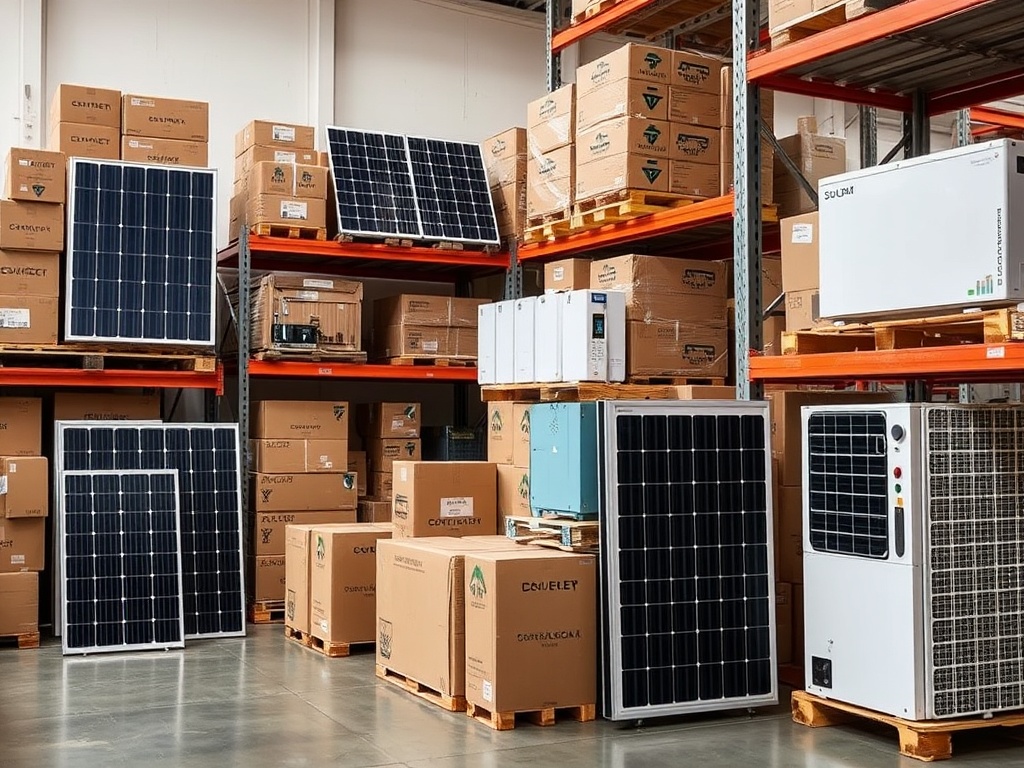
Solar project delays can damage client relationships, disrupt cash flow, and reduce profitability. In South Africa's fast-moving PV market, installers regularly face supplier backorders, inverter shortages, logistics disruptions, and shifting delivery schedules.
The key to managing these risks is planning ahead, building supply flexibility, and communicating realistic timelines from the start.
This guide explains how installers can reduce project delays and manage supplier lead times more effectively.
1. Lead time drivers — stock, compliance proof, logistics, and peak-demand cycles
Solar equipment lead times are influenced by several factors beyond simple stock availability.
1.1 Stock availability
High-demand products such as inverters, lithium batteries, and Tier-1 PV modules often experience shortages during peak installation periods.
Common causes include:
- • Import delays
- • Manufacturer production constraints
- • Sudden demand spikes during load-shedding periods
- • Limited local warehouse stock
1.2 Compliance documentation
Projects can also stall when suppliers cannot provide:
- • Certificates of Compliance (CoCs)
- • Datasheets
- • NRS or municipal approval documentation
- • Warranty documents
Missing paperwork can delay municipal approvals and commissioning.
1.3 Logistics and shipping disruptions
International shipping disruptions continue to affect delivery reliability.
Risks include:
- • Port congestion
- • Customs delays
- • Container shortages
- • Fuel price increases
- • Inland transport bottlenecks
Even when stock is available overseas, delivery into South Africa may take longer than expected.
1.4 Peak-demand cycles
Lead times usually increase during:
- • Severe load-shedding periods
- • Year-end procurement rushes
- • Large commercial procurement cycles
Installers who rely on "just-in-time" ordering are more exposed during these periods.
2. Buffering strategy — critical spares, alternative SKUs, and phased commissioning
Strong installers reduce delays by building flexibility into procurement and project planning.
2.1 Keep critical spare stock
Holding limited backup inventory can prevent complete project stoppages.
Useful buffer items include:
- • DC breakers and protection devices
- • Common inverter models
- • Communication dongles
- • Mounting components
- • Standard PV modules
Even small spare stock can save days or weeks.
2.2 Approve alternative SKUs in advance
Avoid dependency on a single product line.
Before projects begin:
- • Pre-approve alternative inverter models
- • Identify substitute battery brands
- • Verify compatibility between components
This allows fast switching if a supplier experiences shortages.
2.3 Use phased commissioning
Where possible:
- • Complete infrastructure work first
- • Install available equipment immediately
- • Commission remaining components later
This keeps projects moving while waiting for delayed items.
3. Client communication — delay notices that protect trust
Poor communication often creates bigger problems than the delay itself.
3.1 Set realistic timelines upfront
Avoid promising aggressive delivery dates based only on supplier estimates.
Instead:
- • Include lead-time buffers in schedules
- • Explain that imported equipment may shift
- • Confirm timelines in writing
3.2 Issue formal delay notices early
If delays occur:
- • Notify clients immediately
- • Explain the cause clearly
- • Provide revised timelines
- • Document all communication
Early notice protects both trust and your contractual position.
3.3 Focus on transparency
Clients are generally more understanding when installers:
- • Communicate consistently
- • Provide updates proactively
- • Offer practical alternatives
Silence damages confidence far faster than delays themselves.
4. Supplier scorecard — tracking OTIF, DOA rate, and response time
Reliable suppliers are critical to project success. Installers should formally track supplier performance instead of relying on assumptions.
4.1 OTIF (On Time In Full)
Track whether suppliers deliver:
- • On the promised date
- • With the complete order quantity
Frequent partial or late deliveries create scheduling risk.
4.2 DOA (Dead on Arrival) rate
Monitor how often products arrive defective or unusable.
High DOA rates lead to:
- • Rework costs
- • Installation delays
- • Additional client dissatisfaction
4.3 Response time
Measure how quickly suppliers respond to:
- • Technical queries
- • Warranty claims
- • Stock requests
- • Delivery updates
Fast communication improves project coordination significantly.
5. Practical strategies to reduce project delays
Installers can reduce scheduling problems by following a disciplined process:
- Forecast demand early
- Confirm supplier stock before quoting
- Add timeline buffers to contracts
- Keep limited critical spare stock
- Pre-approve alternative products
- Communicate delays immediately
- Track supplier performance monthly
Conclusion
Supplier delays and backorders are a reality in South Africa's solar industry, but they do not have to derail projects.
Installers who forecast properly, build procurement flexibility, and communicate professionally are better positioned to protect timelines, maintain client trust, and preserve profitability.
Strong lead-time management is no longer optional — it is a competitive advantage in the modern solar market.
