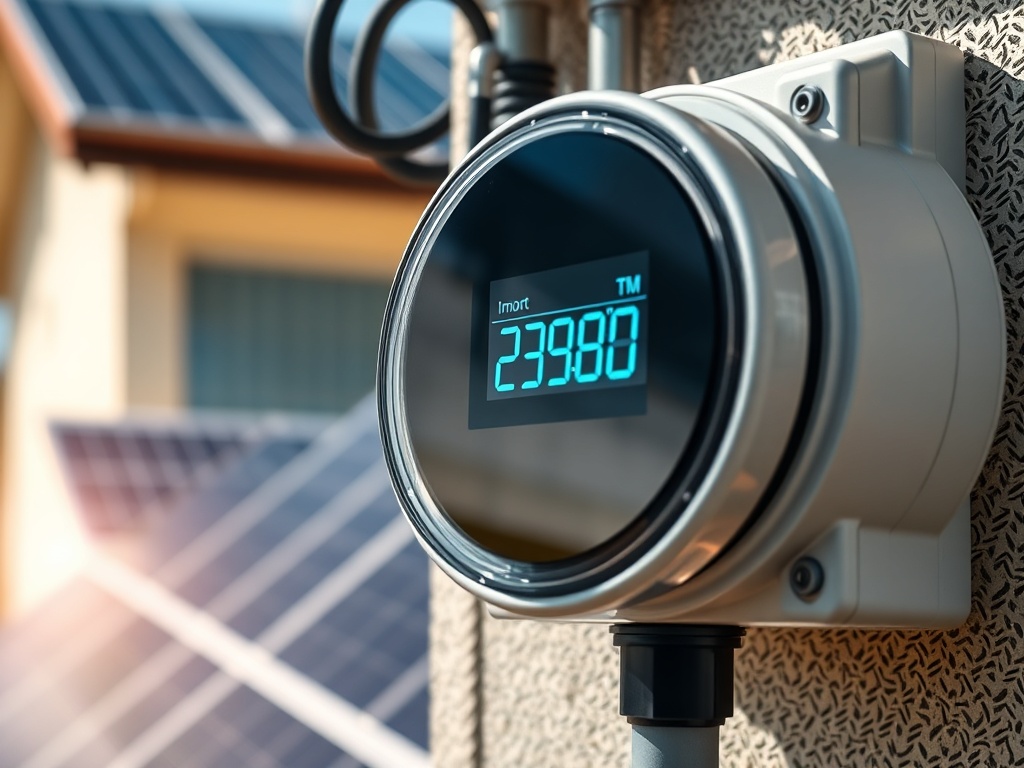
As grid-connected solar PV systems become more common in South Africa, bidirectional smart meters are becoming an important part of compliant installations. These meters record electricity flowing both to and from the grid, helping utilities measure energy accurately while supporting approved solar exports. Understanding how smart meters affect installation timelines and commissioning can help installers avoid delays and improve customer satisfaction.
What Bidirectional Metering Does — Imports vs Exports in Simple Terms
Unlike traditional electricity meters that only measure electricity used from the grid, a bidirectional smart meter records electricity moving in both directions.
When the property needs more electricity than the solar system produces, the meter records imported electricity. When the solar system generates more power than the property uses, the meter records exported electricity separately.
This allows utilities such as Eskom and participating municipalities to accurately measure electricity consumption and approved exports.
Why Smart Meters Matter
Smart meters provide several benefits:
- Accurate measurement of imported and exported electricity
- Improved billing accuracy
- Support for approved grid-connected solar systems
- Better visibility of energy usage for customers
- Improved network management for utilities
Not every grid-connected solar system is automatically allowed to export electricity. Export approval depends on the utility's requirements and the installation meeting all applicable technical standards.
Project Sequencing — When to Install Hardware vs When to Wait for the Meter
Good planning helps prevent unnecessary project delays.
Most installation work can usually be completed before the smart meter is installed, including:
- Solar panel installation
- Inverter installation
- Battery installation
- Electrical wiring
- Protection equipment
Final commissioning and grid connection may need to wait until the utility has installed or upgraded the bidirectional meter and completed any required approvals.
Setting realistic timelines with customers helps avoid frustration if utility processes take longer than expected.
Supplier Coordination — Preventing "Ready but Can't Connect" Delays
A common challenge is having the solar system fully installed but unable to connect because the required smart meter has not yet been fitted.
To minimise delays:
- Contact the utility early in the project.
- Confirm meter installation requirements.
- Submit all required documentation on time.
- Keep customers informed about utility-related timelines.
Good communication between installers, customers, and utilities helps projects run more smoothly.
Commissioning Tips
Once the smart meter is installed and approvals have been received, complete a structured commissioning process by:
- Confirming inverter settings
- Checking protection devices
- Testing system operation
- Verifying monitoring systems
- Recording commissioning results
Keeping accurate commissioning records makes future maintenance and troubleshooting much easier.
Handover and Support — Logs and Photos That Reduce Later Disputes
Proper documentation protects both the installer and the customer.
Take clear photographs of:
- Smart meter display
- Meter serial number
- Inverter display
- Distribution board
- Protection equipment
Save commissioning records, including:
- Initial meter readings
- Inverter settings
- Test results
- Commissioning date
Providing customers with user manuals, warranties, monitoring instructions, and compliance documents creates a more professional handover and reduces future support queries.
Best Practices
Successful smart meter projects rely on good planning and communication. Installers should:
- Coordinate with utilities early.
- Explain meter and approval timelines to customers.
- Complete commissioning only after approvals are in place.
- Maintain accurate installation records.
- Follow all applicable utility and regulatory requirements.
These simple steps help reduce delays while delivering safer, compliant solar PV installations.
Conclusion
Bidirectional smart meters are an essential part of many modern solar PV systems in South Africa. By planning projects carefully, coordinating with utilities, and maintaining thorough commissioning records, installers can minimise delays, meet compliance requirements, and provide a better experience for their customers.
