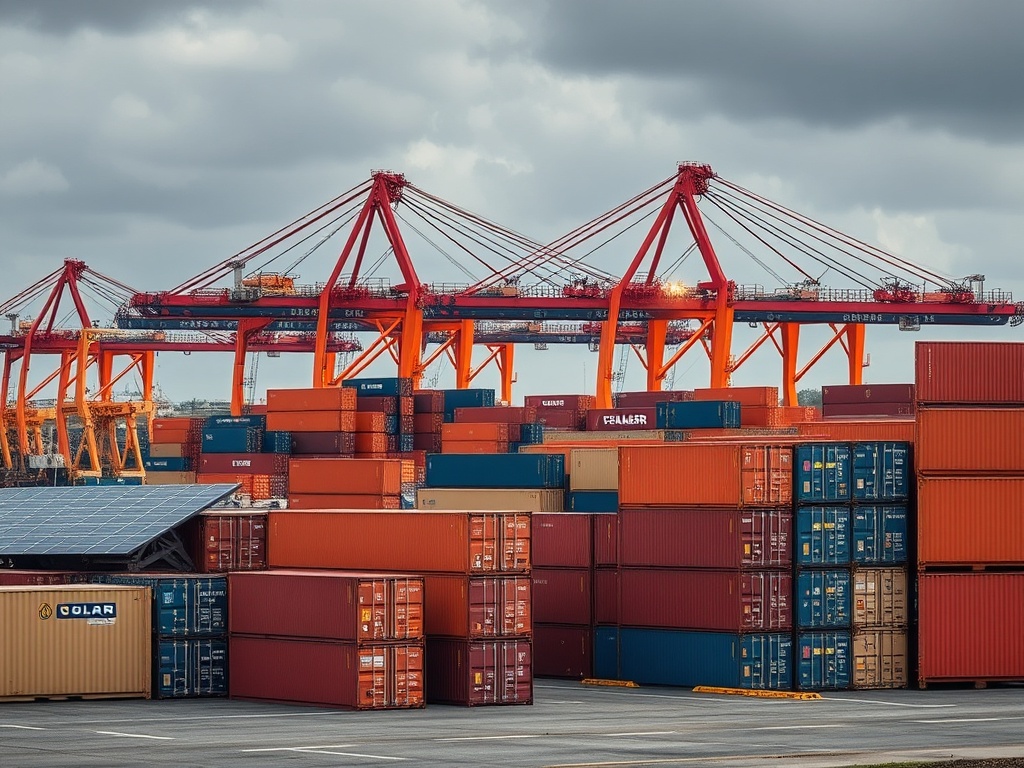
Port congestion, customs delays, and shipping disruptions have become permanent fixtures in South Africa's import landscape. Solar installers must adapt their supply chain strategies to manage these realities and keep projects profitable.
Understanding Port Delays in South Africa
Port delays stem from multiple factors:
- •Congestion at key ports (Durban, Cape Town, Coega)
- •Insufficient container handling capacity
- •Customs clearance backlogs
- •Crane breakdowns and maintenance cycles
- •Labor shortages and work stoppages
- •Administrative delays in documentation
5 Practical Supply Chain Strategies
Strategy 1: Build Buffer Stock Strategically
Maintain 4-6 weeks of commonly used equipment in stock. This buffer absorbs port delays without impacting project timelines or straining cash flow.
Strategy 2: Diversify Suppliers and Ports
Don't rely on single suppliers or single ports. Spread imports across Durban, Cape Town, and Coega to reduce dependency risk and increase flexibility.
Strategy 3: Use Expedited Freight Services
For critical shipments, consider expedited customs clearance. The premium cost is often worth avoiding expensive project delays.
Strategy 4: Monitor Shipments in Real-Time
Request tracking information from freight forwarders. Monitor container movements through port systems to anticipate delays early.
Strategy 5: Plan Installation Timelines with Buffer
Add 20-30% extra time to project schedules for logistics contingencies. This protects client relationships and reduces stress.
Working Effectively with Freight Forwarders
Key Questions to Ask
- ❓What customs pre-clearance can be arranged?
- ❓What real-time tracking is available?
- ❓What happens if cargo is delayed at the port?
- ❓What storage options are available?
- ❓What contingency services do you offer?
Negotiating Favorable Terms
Establish relationships with freight forwarders that provide:
- •Volume discounts on expedited services
- •Priority notification of delays
- •Direct contact with customs brokers
- •Flexible storage arrangements
Customs and Documentation Best Practices
Step 1: Pre-Import Preparation
Avoid delays by preparing documentation in advance:
- •Verify HS codes for all products
- •Prepare bills of entry early
- •Ensure invoices match shipment details
- •Check compliance certificates are attached
- •Verify VAT registration numbers
Step 2: During Customs Clearance
- •Respond to SARS queries immediately
- •Provide requested documentation within 24 hours
- •Have backup documentation ready
- •Communicate directly with customs brokers
Communication with Clients
Transparency protects your reputation during delays:
- 💬Disclose import timelines upfront in quotes
- 💬Update clients immediately on delays
- 💬Explain delay causes honestly
- 💬Provide revised timelines as soon as they're known
- 💬Offer alternative solutions proactively
8-Point Risk Management Checklist
Use this checklist for every import:
- •Confirm supplier delivery timeframe in writing
- •Add 20-30% buffer to project schedule
- •Arrange freight forwarding with real-time tracking
- •Verify all documentation before shipment
- •Monitor port status throughout transit
- •Maintain buffer stock of critical items
- •Have backup supplier options identified
- •Communicate timeline risks to clients early
The Bottom Line
Port delays and logistics challenges are part of doing business in South Africa's solar industry. By building buffer capacity, diversifying suppliers, working closely with freight forwarders, and maintaining transparent communication, you can manage supply chain risks and keep your projects moving.
The installers who succeed are those who plan for delays rather than being surprised by them.
