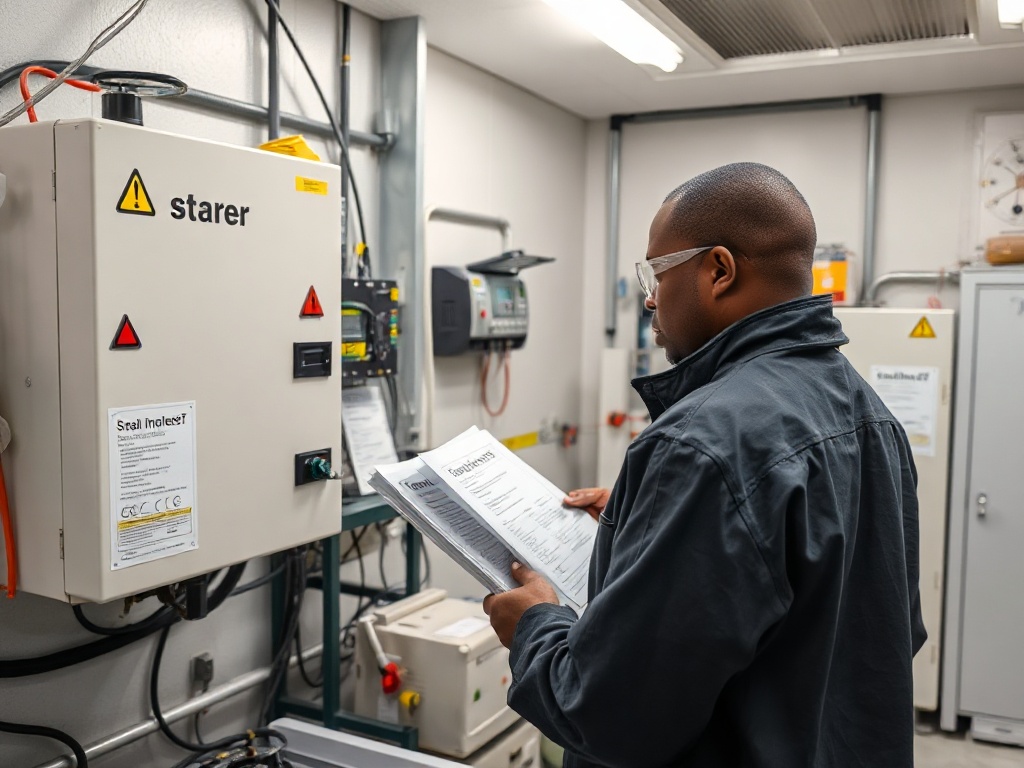
NRS 097 inverter test certificates are critical for SSEG approval in South Africa. This comprehensive guide covers what compliance documentation to request, how to verify certificates, common mistakes to avoid, and why proper certification protects your projects.
What is NRS 097 and Why Does It Matter?
NRS 097:2015 is South Africa's national standard for Small-scale Embedded Generation (SSEG). The standard specifies technical requirements for inverters and associated equipment used in grid-tied solar installations.
Key compliance requirements:
- •Inverter type approval testing
- •Grid interconnection compliance
- •Performance and safety verification
- •Documentation and certification
What Documentation Should Suppliers Provide?
Suppliers should provide comprehensive NRS 097 compliance documentation. Always request these items before purchasing:
1. NRS 097 Test Certificate
The official certificate issued by an accredited testing laboratory confirming the inverter model complies with NRS 097 technical requirements.
2. NRCS Letter of Authority (LoA)
Formal authorization from NRCS recognizing the inverter as compliant for SSEG applications in South Africa.
3. Technical Specifications Sheet
Complete performance data, operational parameters, and grid connection specifications.
4. Installation and Commissioning Guides
Detailed instructions for proper installation and configuration to maintain compliance.
4 Common Mistakes to Avoid
Mistake #1: Not Verifying Certificate Authenticity
Always verify certificates through NRCS or the testing laboratory. Counterfeits exist and can compromise your projects.
Mistake #2: Purchasing Uncertified Models
Only purchase inverters with current NRS 097 certification. Older models may not comply with current standards and will fail registration.
Mistake #3: Assuming Distributor Claims Are Sufficient
Request original documentation directly from suppliers. Don't rely on verbal assurances or promises to provide documents later.
Mistake #4: Missing Documentation During Installation
Keep all certificates accessible for municipal approval and SSEG registration. Missing documents can delay or completely block registration.
Why Proper Certification Protects Your Projects
Proper NRS 097 certification provides multiple layers of protection:
- •Ensures municipal approval for grid-tied installations
- •Demonstrates compliance during SSEG registration
- •Protects against warranty disputes with manufacturers
- •Reduces risk of project delays or rejection
- •Maintains insurance coverage for your installations
8-Point Best Practices Checklist
- •Request full NRS 097 documentation from suppliers before purchase
- •Verify certificate authenticity with NRCS directly
- •Store all documentation electronically and in hard copy
- •Include certificates in project commissioning files
- •Provide customers with copies for their records
- •Monitor for updated standards or new requirements
- •Train installation teams on compliance requirements
- •Maintain audit trail of all compliance verification
The Bottom Line
NRS 097 compliance is non-negotiable for solar installers in South Africa. By understanding what documentation to request, how to verify compliance, and why proper certification matters, you protect your projects and maintain your professional reputation.
A few extra minutes spent verifying compliance today can save weeks of project delays and protect your business from costly compliance disputes later.
