Introduction
As South Africa's solar industry grows, inverter compliance has become a critical issue for installers, importers, wholesalers, and EPC contractors. Before buying or importing a solar inverter, it is important to verify that the product complies with NRCS requirements.
Failing to verify compliance can lead to customs delays, rejected insurance claims, warranty disputes, or regulatory problems.
This guide explains what an NRCS Letter of Authority (LoA) is, what documents to request from suppliers, and how to avoid common compliance mistakes.
What an LoA Is — and Why It Matters
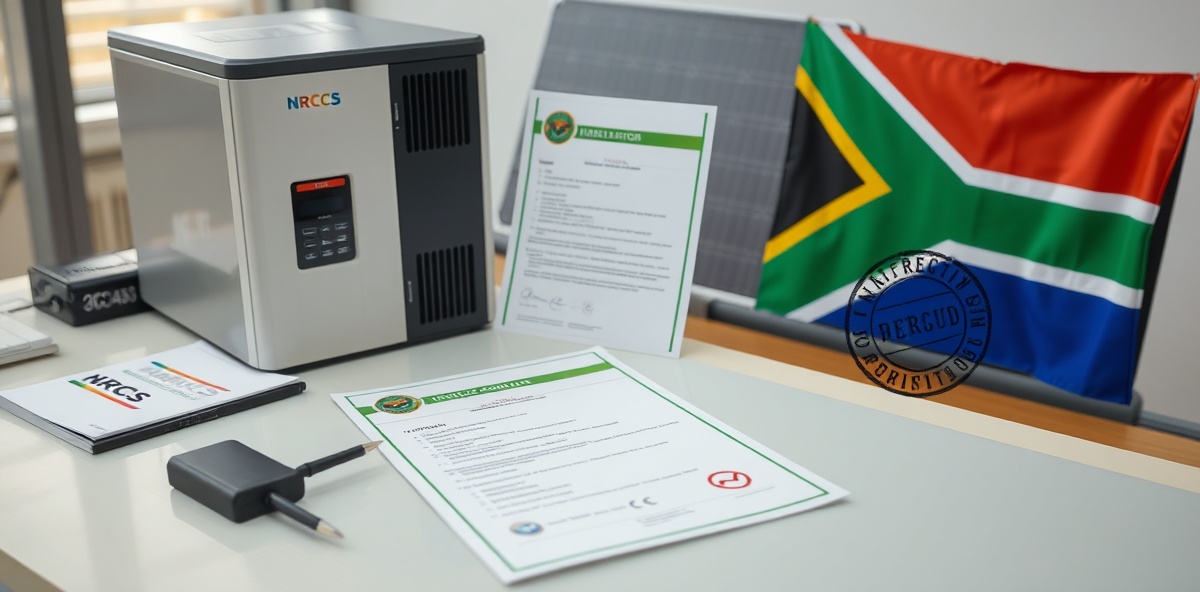
An NRCS Letter of Authority (LoA) is an approval issued by the National Regulator for Compulsory Specifications (NRCS). It confirms that an electrical product complies with applicable South African compulsory specifications and safety standards.
For solar inverters, the LoA helps ensure:
- Electrical safety
- Product traceability
- Legal importation and supply
- Compliance with South African regulations
Without proper compliance documentation, products may face:
- Customs clearance delays
- Regulatory action
- Insurance complications
- Client disputes
- Project approval issues
Always verify compliance before purchasing or installing equipment.
For official requirements, refer to the South African Government Gazette and NRCS compulsory specifications.
What to Request From Suppliers
Before purchasing a solar inverter, request the following documents from the supplier or wholesaler.
1. NRCS LoA
Check that the LoA includes:
- Manufacturer name
- Exact model number
- Product description
- LoA reference number
- Applicable standard
The model number on the LoA must exactly match:
- The inverter label
- Datasheet
- Quotation
- Packaging
Even small model differences can affect compliance.
2. Accredited Test Reports
Request accredited IEC test reports supporting the product approval.
The reports should show:
- Laboratory details
- Tested model number
- Applicable IEC standards
- Test dates
Avoid relying on incomplete or generic reports.
3. Product Traceability
Ask suppliers for:
- Serial number records
- Batch information
- Import documentation
- Supplier declarations
Traceability is important for:
- Warranty claims
- Audits
- Product recalls
- Dispute resolution
Common Compliance Red Flags
Mismatched Model Numbers
The approved model must exactly match the supplied inverter.
Examples of risky differences:
- Hybrid vs non-hybrid versions
- Regional variants
- Updated revisions
- Different suffixes
Expired or Outdated Documents
Be cautious of:
- Old approvals
- Outdated datasheets
- Superseded test reports
- Discontinued model references
Always request current documentation.
Product Substitutions
Some suppliers substitute products due to stock shortages.
Never accept substitutions without:
- Updated compliance documents
- Matching model approvals
- Written confirmation
Missing or Incorrect Labels
Every inverter should have a clear label showing:
- Manufacturer
- Model number
- Serial number
- Electrical ratings
Missing or altered labels are major warning signs.
How to Store Compliance Documents
Create a compliance folder for every project containing:
- LoA documents
- Test reports
- Datasheets
- Supplier invoices
- Delivery notes
- Serial number photos
- Commissioning records
Cloud storage is recommended for easy access during:
- Audits
- Warranty claims
- Insurance disputes
- Client queries
Good recordkeeping helps protect installers and improves project traceability.
Final Thoughts
Verifying NRCS LoA compliance before buying a solar inverter is an essential part of professional solar procurement in South Africa.
Always confirm:
- The exact model number
- Valid LoA documentation
- Accredited test evidence
- Product traceability
Proper compliance checks help reduce business risk, avoid disputes, and improve long-term project reliability.
Need Help Verifying Inverter Compliance?
SED supplies NRCS-compliant solar inverters from trusted manufacturers. Get expert guidance on compliance documentation and product selection.
Contact Our Team